How to Compare Auto Insurance Quotes in Florida
Comparing auto insurance quotes in Florida starts with a simple rule: ask every insurer to price the same coverage. A lower payment only helps if the policy meets your needs and leaves you with costs you can manage after an accident.
Low advertised rates can attract auto insurance prospects, but the details determine what you are buying. Coverage limits, deductibles, payment fees, and exclusions all deserve a closer look.
Use the steps below to compare your options and choose coverage with a clear understanding of the cost.
Start With Florida Car Insurance Requirements
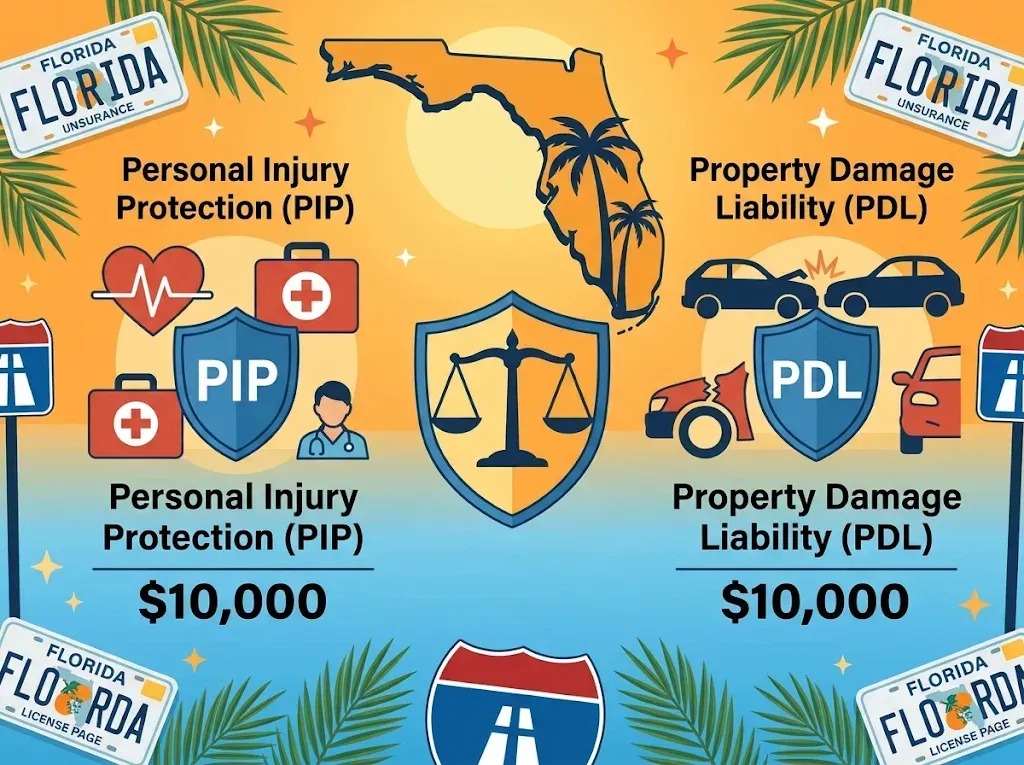
For most personal vehicles registered in Florida, the required insurance starts with:
- $10,000 in Personal Injury Protection (PIP).
- $10,000 in Property Damage Liability (PDL).
Florida generally requires you to maintain this coverage throughout the vehicle’s registration period, including when the vehicle is not being driven.
Treat these minimums as a starting point for your comparison. Ask an auto insurance agent whether your circumstances require additional coverage and what higher limits would cost.
If you finance or lease your vehicle, also check the insurance requirements in your agreement. Lenders commonly require comprehensive and collision coverage.
Gather the Same Information for Every Quote
Before requesting Florida auto insurance quotes, have these details ready:
- Your current policy and declarations page.
- Driver information for everyone who needs to be included.
- Each vehicle’s year, make, model, and vehicle identification number.
- The address where each vehicle is usually kept.
- Estimated annual mileage and how you use the vehicle.
- Relevant accident, ticket, and claims history.
- Your preferred coverage limits, deductibles, and start date.
Give each insurer consistent, accurate information so you can compare prices meaningfully. Ask how the policy would handle any work-related driving.
Compare the Same Coverage in Every Quote
Request quotes from at least three insurers and ask for matching coverage selections. If one quote leaves something out, request a revised version before deciding.
Use this checklist when reviewing the proposals:
| Policy feature | What to compare |
|---|---|
| Bodily injury liability | Per-person and per-accident limits |
| Property damage liability | Maximum coverage for damage to another person’s property |
| Personal injury protection | Limit, deductible, and benefit selections |
| Uninsured or underinsured motorist | Injury coverage limits and stacked or non-stacked options |
| Collision | Deductible for covered crash damage to your vehicle |
| Comprehensive | Deductible for covered theft and other non-collision losses |
| Optional benefits | Rental reimbursement limits and roadside assistance |
In Florida, uninsured or underinsured motorist coverage addresses injury losses involving an at-fault driver with no bodily injury liability insurance or insufficient limits. Ask the agent to explain any stacked or non-stacked selection shown on your quote.
Look Beyond the Full Coverage Label

“Full coverage” does not describe one standardized policy package. Ask for each included coverage, limit, and deductible in writing. That gives you specific details to compare.
Check Protection for Storm Damage
Comprehensive coverage can cover losses such as flooding, falling objects, and theft, subject to the policy’s terms. Check whether each quote includes it and which deductible applies.
Choose a Deductible You Can Afford
A deductible is the amount you pay toward a covered claim before the applicable insurance payment. A higher comprehensive or collision deductible generally lowers the premium, while increasing your share of a covered loss.
Consider this simplified example, assuming a fully covered collision repair costs $3,000:
- With a $500 deductible, you pay $500, and the insurer pays $2,500.
- With a $1,000 deductible, you pay $1,000, and the insurer pays $2,000.
The higher deductible leaves you responsible for an additional $500 in this example. Compare that extra cost with the premium savings before making a change.
Choose a deductible you could realistically pay if a claim happened this month.
Compare the Total Cost for the Same Policy Period
When you compare car insurance rates, request the total cost for the same period. A six-month premium and a twelve-month premium need to be clearly identified.
Ask each insurer to explain:
- The total premium for the policy term.
- How much is due at the start.
- The number and amount of later payments.
- Any installment or payment processing fees.
- Whether paying in full changes the price.
- Any cancellation charges or refund terms.
The National Association of Insurance Commissioners recommends asking about payment options and extra charges when shopping for coverage.
Keep the premium and deductible on separate lines in your comparison. The premium is an ongoing policy expense; a deductible applies to certain claims.
Ask About Discounts and Claims Support
Ask which car insurance discounts are available for your situation. Depending on the insurer and eligibility rules, possibilities may include:
- Multiple vehicles on one policy.
- Low annual mileage.
- Qualifying driver education.
- Good student eligibility.
- Approved safety or anti-theft equipment.
- An eligible auto and home insurance package.
Discount availability varies. Have each insurer apply the discounts you qualify for before you compare the final prices. content.
Check How the Company Handles Problems

Verify that the insurer and agent are licensed in Florida, and review complaint information through the state insurance department. The NAIC recommends checking both licensing and complaints before choosing an insurer.
Also ask practical questions:
- How do I report a claim?
- Can I reach someone when I need help?
- How are repair estimates handled?
- What rental transportation benefits would apply after a covered loss?
Clear answers can help you decide between quotes with similar prices.
Confirm Your New Coverage Before Switching
Once you choose a policy, confirm the final premium, covered drivers, vehicles, limits, and deductibles. Ask whether the quote still depends on verification of any information.
Get written confirmation of the new policy’s effective date and time before canceling your existing coverage. Coordinate the change so there is no gap.
Review Your Other Insurance Needs

Comparing auto insurance can also be a useful reminder to review your family’s other coverage. A job change, retirement, or new financial responsibility may raise questions about life and health insurance.
Steve Smith at Medicare Fix helps Florida residents explore the following services.
Life Insurance
Explore Life Insurance options for financial goals such as replacing family income, covering mortgage obligations, and planning for final expenses. A consultation can help you discuss coverage amounts and costs in relation to your family’s needs.
Medicare Insurance Plans
Review Medicare Insurance Plans with guidance on Medicare Advantage, Medicare Supplement, and prescription drug plan options. Bring your medication list, preferred doctors, and questions about costs to make the conversation more useful.
Short-Term Health Insurance
If you are facing a temporary gap in health coverage, explore Short-Term Health Insurance. Before choosing a plan, ask about eligibility, covered services, preexisting-condition restrictions, benefit limits, and out-of-pocket costs.
Frequently Asked Questions About Auto Insurance in Florida
How many auto insurance quotes should I compare?
Compare at least three auto insurance quotes using the same coverage limits, deductibles, drivers, vehicles, and policy period. This helps you see price differences clearly and avoid choosing a cheaper quote that leaves out protection you wanted. content.
What auto insurance coverage is required in Florida?
For most Florida-registered private passenger vehicles, the basic requirements are $10,000 in Personal Injury Protection (PIP) and $10,000 in Property Damage Liability (PDL). Additional requirements can apply depending on your circumstances. These minimums do not include collision or comprehensive coverage for your own vehicle.
Why do car insurance quotes vary between companies?
Insurance companies assess and price risk differently. Your driving history, vehicle, location, annual mileage, coverage selections, and eligible discounts can affect the price. Even when you provide the same information, insurers may offer different premiums, which makes comparing several quotes useful.
Is the cheapest auto insurance quote the best choice?
The cheapest quote may have lower coverage limits, a higher deductible, or fewer benefits. Review what each policy includes and the total cost for the same coverage period. Choose a policy with a premium you can manage and a deductible you could afford after a covered loss.
Can I switch auto insurance before my current policy ends?
You can generally switch before your policy renews. Confirm the new policy’s effective date and time before canceling your existing coverage so there is no gap. Ask your current insurer about any cancellation charges and whether you will receive a refund of unused premium.
Schedule Your Insurance Consultation
Ready to discuss life insurance, Medicare coverage, or short-term health insurance? Contact Steve Smith at Medicare Fix to schedule a consultation and review the options that fit your needs.
Phone: (865) 803-3045
Email: stevemedicarefix@gmail.com
*This content is developed from sources believed to be providing accurate information. The information provided is not written or intended as tax or legal advice and may not be relied on for purposes of avoiding any Federal tax penalties. Individuals are encouraged to seek advice from their own tax or legal counsel. Individuals involved in the estate planning process should work with an estate planning team, including their own personal legal or tax counsel. Neither the information presented nor any opinion expressed constitutes a representation by us of a specific investment or the purchase or sale of any securities. Asset allocation and diversification do not ensure a profit or protect against loss in declining markets. This material was developed and produced by Advisor Websites to provide information on a topic that may be of interest. Copyright 2021 Advisor Websites.